



Kizlyar Supreme knife knowledge
Choose a knife with confidence
Steel matters—but it never works alone. Learn how alloy, heat treatment, blade geometry, finish and intended use come together, then choose the Kizlyar Supreme knife that fits your real priorities.
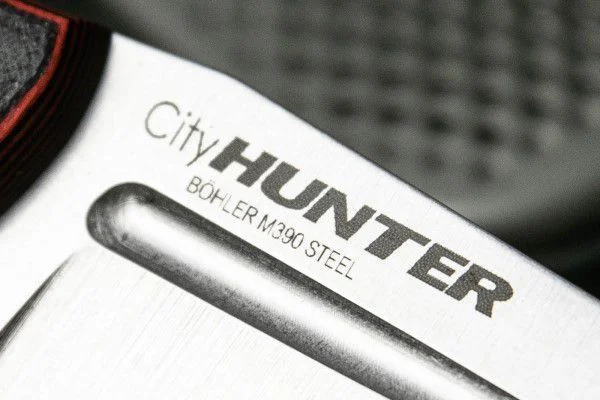
Practical explanations shaped by production experience, testing and feedback from people who use our knives.
Start here
Three routes to a better choice
You do not need to become a metallurgist to choose well. Begin with the question closest to your own decision.
What makes a good knife?
Understand edge retention, toughness and corrosion resistance—and why the best choice is a purposeful balance rather than one maximum number.
What do we build with?
Compare blade steels, handle materials, sheath systems, finishes and technologies used across Kizlyar Supreme models.
How does it become a knife?
See how design decisions and controlled production turn selected materials into a complete, dependable knife-and-sheath system.
Steel without mystery
Read beyond the steel name
Composition creates possibilities. Heat treatment and geometry decide how those possibilities appear in the knife you actually hold.
 Composition
Chemical elements in knife steel
What carbon, chromium, vanadium, molybdenum and other elements contribute—and why simply adding more of everything would not create one perfect steel.
Read the guide → Ownership
Stainless steel: myth or reality?
Why “stainless” means strongly corrosion resistant rather than invulnerable—and how sensible care keeps a good stainless blade ready with very little effort.
Read the guide → Buying language
What is “surgical steel”?
A reassuring phrase is not a complete specification. Learn why the named alloy, hardness, geometry and processing route tell you far more.
Read the guide →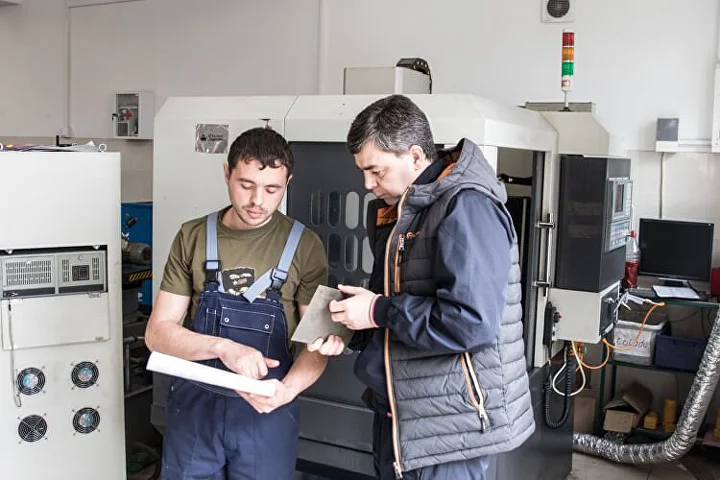 Manufacturing myth
Forged steel vs sheet steel
Forging is a method, not a quality certificate. See why modern industrial sheet steels give knife makers consistent, advanced alloys and repeatable value at scale.
Read the guide →Performance is made in the process
A steel grade is only the beginning
Kizlyar Supreme works with different routes because each steel, blade geometry and intended task asks for its own balance.
Knife heat treatment
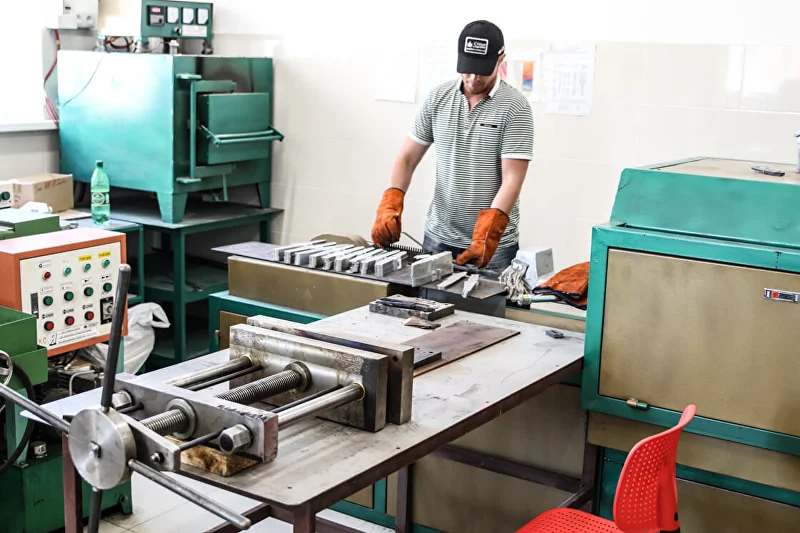
Annealing, hardening, quenching, tempering and the decisions that turn potential into controlled blade performance.
Explore heat treatment → Steel-specific refinementCryogenic treatment
Why correctly designed sub-zero processing can support the final microstructure—and why Kizlyar Supreme applies it as part of a steel-specific route.
Explore cryogenic treatment → Controlled cyclesThermocycling steel
How repeated thermal cycling can help prepare structure before final hardening when the selected alloy and production route justify it.
Explore thermocycling →Finishes & ownership
Performance you can live with
A useful knife must work in the hand, carry confidently and remain straightforward to own—not merely look impressive on a specification sheet.
 Practical finish
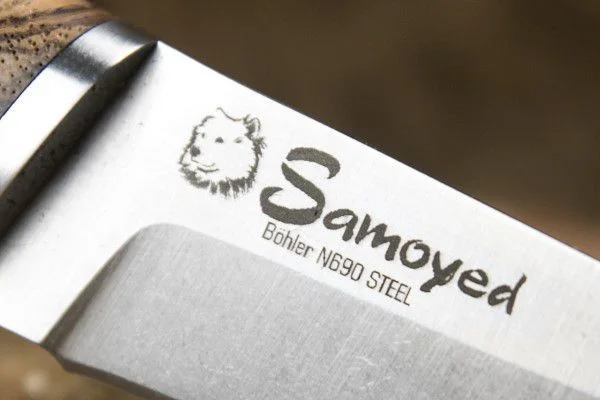
StoneWash: made to age gracefully
Learn how a controlled mechanical finish reduces glare, gives the blade a distinctive look and makes ordinary handling marks less visually demanding.
Explore StoneWash →TacWash
Discover our low-glare, field-oriented blade finish and the practical appearance it gives hard-use knives.
Explore TacWash → Blade careRemove rust—and help keep it away
Follow a practical step-by-step guide to cleaning surface rust, protecting the blade and preventing corrosion from returning.
Open the rust-care guide → Put the knowledge to workChoose by purpose
Once your priorities are clear, compare complete knife categories and find the model built around your kind of use.
Open the catalogue →Quick answers
Knife knowledge FAQ
Where should I start if I do not know much about knife steel?
Start with What makes a good knife?. It explains the practical balance between edge retention, toughness and corrosion resistance before you compare individual steels.
Is the hardest knife steel always the best?
No. Higher hardness can support edge stability and wear resistance, but performance also depends on toughness, blade and edge geometry, heat treatment and intended use. A well-balanced knife is more useful than a specification pushed in only one direction.
Does a premium steel name guarantee a premium knife?
No. Composition sets the possibilities, while heat treatment, geometry, grinding, finishing and quality control decide how much of that potential reaches the finished blade. This is why Kizlyar Supreme treats steel as part of a complete system.
Does stainless steel require no care?
Stainless knife steels are designed to resist corrosion strongly, so ownership can be very easy, but they are not chemically invulnerable. Wipe the blade clean and dry after use, especially around salt, acids or prolonged moisture.
What does cryogenic treatment do for a knife?
When designed as part of the full heat-treatment route, sub-zero processing can help transform retained austenite and support the intended microstructure. The useful result depends on the steel and the complete cycle, so we apply it as steel-specific engineering rather than a universal marketing percentage.
What is the difference between Materials and Knife Knowledge?
Materials & Technologies shows what Kizlyar Supreme uses across blades, handles, sheaths and finishes. Knife Knowledge explains why those choices behave differently and how processing, geometry and use combine to create performance.